Building an Observation Notebook That Others Can Follow
Record observations with dates, conditions and clear labels. Keep measurements, interpretations and later corrections distinct so others can follow the work.
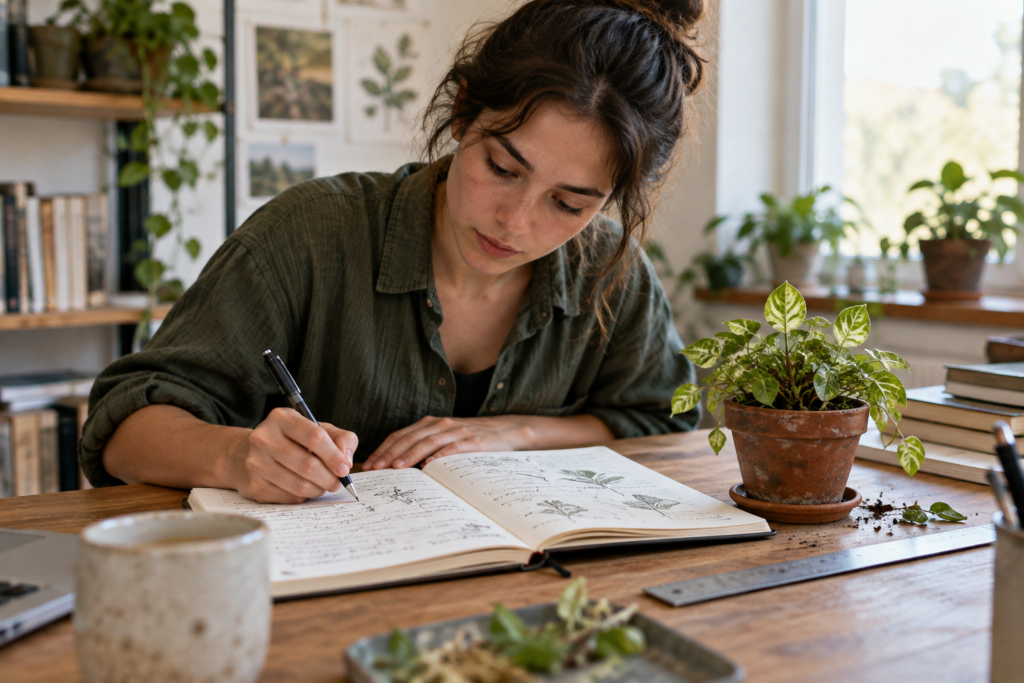
An observation notebook helps preserve the details that memory tends to simplify. It can support a classroom activity, a personal project or an early design experiment. The useful record is not necessarily the neatest one. It is the one that lets another person understand what was done and what was actually observed.
Record the setup before the result
Begin an entry with the date, the question being explored and the materials used. Describe the arrangement closely enough that someone else can picture it. Include a sketch or photograph when that adds information. A drawing does not need to be artistic; it needs to show the parts that matter to the activity.
Note the conditions that could affect what you observe. These may include the location, duration or an adjustment made to the setup. Avoid copying an earlier entry without checking whether those conditions remained the same. Small changes are easy to forget once several days of work are compressed into one summary.
Separate observations from explanations
Write what you saw, heard or measured before suggesting why it happened. A material changed color is an observation; your proposed reason is an interpretation. Keep both, but label them distinctly. That makes it easier to reconsider the explanation later without losing the original account of the event.
For measurements, record the unit and the method used. If a value is an estimate, identify it as an estimate. Keep a missing result separate from a measured zero. Include an unexpected observation rather than removing it because it does not fit the pattern you anticipated. Such details may help explain a later discrepancy.
Make revisions traceable
When correcting an entry, preserve enough of the original to show what changed. In a paper notebook, a simple dated correction can be clearer than erasing the earlier number. In a digital record, use an understandable revision note. The goal is not to display mistakes; it is to keep the history of the work intelligible.
Connect related files using consistent names or identifiers. A photograph stored without a date or reference may become difficult to match with the written entry. Keep original files alongside any edited versions when edits affect how the observation appears. Record the reason for an edit rather than assuming the change will remain obvious.
End each session with a brief note about unanswered questions and the next planned action. This helps the project resume after an interruption. If someone else will continue the work, ask them whether the entry gives enough context. Their questions can reveal information that felt obvious only to the original observer.
A dependable notebook makes uncertainty visible and preserves the path between action and conclusion. That habit is useful even for a modest activity. It helps people compare results thoughtfully and understand what the record can, and cannot, support.