Creating a Community Noticeboard People Can Use
Make a community noticeboard easier to use with readable notices, clear dates and a simple review routine that keeps information relevant.
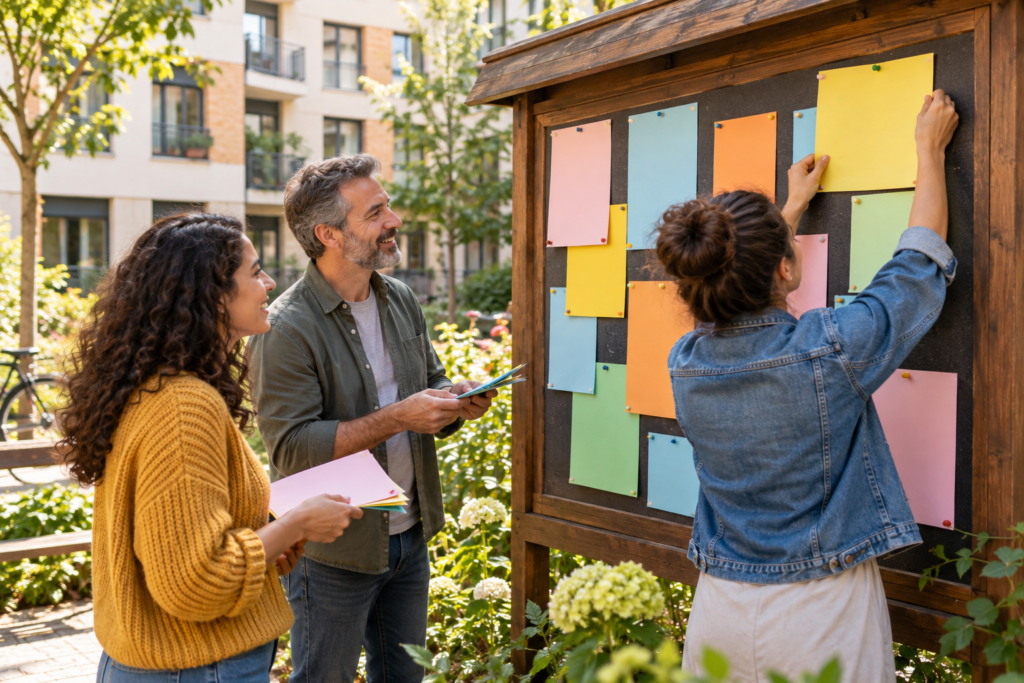
A community noticeboard can bring local information into one shared place. Its usefulness depends less on the number of notices than on whether people can quickly understand what is current and who to contact. A simple routine can prevent the board from becoming a crowded collection of outdated paper.
Define the board’s purpose
Decide what kinds of notices belong on the board and who will maintain it. A space for neighborhood activities may need different rules from a board inside a school or workplace. Write the purpose in plain language and make the submission process easy to understand. People should know whether notices require review before display.
Choose a location with permission from the person or organization responsible for it. Consider whether people can stop to read without blocking a doorway or narrow path. Look at the board from different heights and distances. Good placement should serve the people using the space rather than simply filling an empty wall.
Keep each notice understandable
Ask contributors to include a clear subject, relevant date and a suitable contact method. An event notice should explain when and where the activity happens, along with any important participation details. Avoid requiring readers to guess whether an invitation is current or whether they need to register beforehand.
Use readable lettering and enough space between notices. Group similar information where that helps navigation, but keep the categories simple. A crowded decorative design can make a short announcement harder to read. If the community uses several languages, ask contributors how the essential information can be made accessible to those readers.
Protect relevance and privacy
Set a regular review time and mark notices with a removal or review date. Remove expired items according to the agreed process and ask about notices whose status is unclear. Do not assume that a recurring activity continues indefinitely just because the old announcement remains on the board.
Use contact details that contributors have agreed to share publicly. A personal phone number copied from a private conversation should not appear on a notice without permission. For activities involving children or vulnerable participants, ask the responsible organizer which contact information and images are appropriate for public display.
Provide a way for readers to report an error or request an update. Keep that process manageable for the maintainer. If a notice changes, replace or clearly correct it rather than leaving several conflicting versions. A short record of submissions can help resolve questions without collecting unnecessary personal information.
Check occasionally whether residents actually find the board useful. Their questions may reveal missing directions, unclear wording or a poor location. A reliable noticeboard grows through these small adjustments. Its purpose is to connect people with usable information, not merely to keep every available surface covered.